
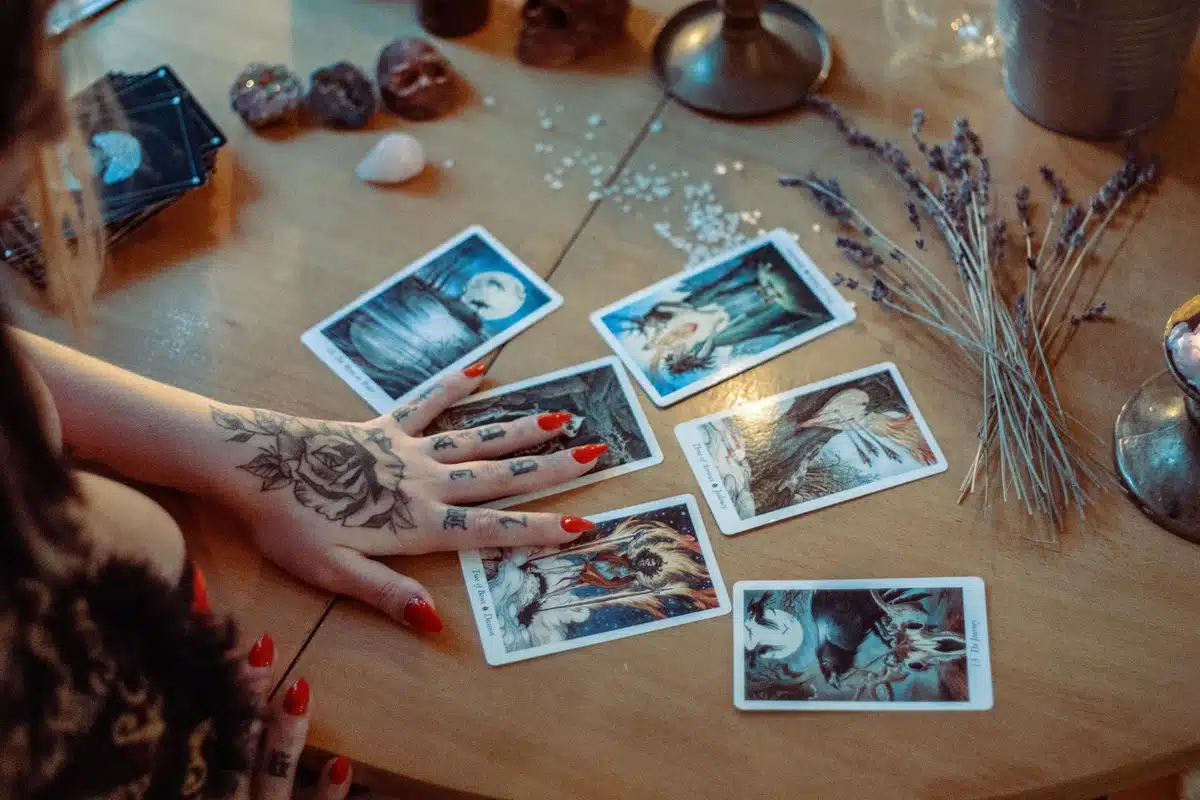
It’s become second nature to snap a photo of a tarot spread and send it off to a group chat or post it on social media.
These quick glimpses can feel exciting and connective, but something important often slips away in translation.
Without knowing the reader’s intention, the meaning behind each card’s position, or any background on the seeker’s question, the full story is missing.
What started as a personal ritual turns into a flat image, stripped of nuance and depth.
As tarot grows in online spaces, sharing screenshots without context can create misunderstandings and even diminish respect for the art itself.
This article explores why so much gets lost when tarot spreads are shared without explanation, and what we risk giving up in the process.
Screenshots get circulated, but meaning slips away
Online sharing is quick and easy, but something vital gets lost along the way.
Tarot spreads are showing up everywhere—group chats, feeds, forums—usually as screenshots snapped in the moment.
People are often searching for connection, a bit of advice, or maybe just a second opinion from friends or strangers.
But these images don’t tell the full story.
When you see a spread without knowing who pulled the cards, what question was asked, or why the reading happened, you’re left to guess at the meaning.
This habit takes a ritual that’s layered and personal and reduces it to a picture that anyone can interpret—or misinterpret—at a glance.
Without context, even the best-intended conversation can go sideways.
- Misunderstandings pop up when viewers assume a card’s meaning applies universally.
- People may give advice that doesn’t fit because they lack the backstory.
- Sometimes, the spread’s original purpose is forgotten or misapplied entirely.
Quick sharing often wins out over careful explanation, and that can leave everyone more confused than when they started.
It’s not just tarot—this problem crops up in other online spaces too.
On Geek HR, for example, users sometimes share screenshots of analytics or dashboards, but without notes or context, the numbers can end up raising more questions than answers.
When images circulate without explanation, the real meaning slips away, and the experience flattens into something far less rich than it could be.
How misinterpretation creeps in
It’s not just beginners who get tripped up when tarot spreads are shared as screenshots lacking context.
Even people with years of experience can find themselves guessing about the original intention, the emotional state of the person asking, or the relationship they have with their deck.
Without these details, there’s a risk of projecting one’s own meaning onto the cards or missing the point altogether.
Some of the most common missteps include treating every card as if it means the same thing in every situation, making guesses about whether a card is reversed or upright, or overlooking special spread formations that totally change a reading’s message.
So much of what makes a tarot reading meaningful comes from the moment itself: the phrasing of the question, the energy in the room, or even the subtle cues from the person drawing the cards.
When all of that is missing, the reading can become generic or even misleading.
Research from tarot communities points out that this kind of loss can do real harm, sending seekers off with advice that feels off-base or discouraging instead of helpful.
If you want to see real-world examples of how much can go wrong when images are shared without enough background, the tarot card copyright guide outlines the pitfalls clearly.
The unseen responsibilities in sharing tarot
That confusion isn’t the only risk when tarot spreads are shared as screenshots.
Each card image and spread layout is part of someone’s creative work, and sharing them without credit can overlook both the artist’s voice and the reader’s intent.
Many tarot decks are protected by copyright, so reposting images without permission or attribution isn’t just inconsiderate—it can also create genuine legal problems.
There’s a kind of respect that comes from naming the source of a deck, mentioning the creator, or explaining where a particular spread comes from.
Responsible sharing isn’t just about following rules—it’s a way to keep the community trustworthy and the tradition meaningful.
When you give context about the reading, the layout, and the deck, you help others understand the symbolism and purpose, not just the outcome.
If you want to avoid misunderstandings or copyright issues, it helps to make credit and explanation a habit every time you post a tarot image.
- Name the deck and artist whenever possible
- Briefly explain the purpose behind your reading
- Acknowledge if a spread isn’t your own design
- Include your own interpretation, not just the cards
- Be mindful that sharing without context can mislead or disrespect others’ work
For more practical advice on how to share responsibly, the sharing tarot images tips page covers etiquette and best practices in detail.
Restoring meaning: what makes a tarot spread shareable
Sharing tarot isn’t just about showing off a pretty layout—it’s about inviting others into a deeper understanding.
If you pause to offer details like what question you asked or why you chose a particular spread, your post instantly becomes more meaningful.
Think about including a quick note on which deck you used, a line about your intention, or even a few words on your thought process.
This extra context helps others see the full picture, not just a random set of cards.
- Share the question or focus that guided your reading
- Mention the deck and spread you used
- Summarize your interpretation or key takeaways
- Credit the artist or designer if it’s not your own work
- Reflect briefly on what the reading meant to you
When you add this kind of background, you open the door to real conversation rather than confusion.
It’s a small shift—more care, less rush—that keeps tarot meaningful even as it moves through digital spaces.
