
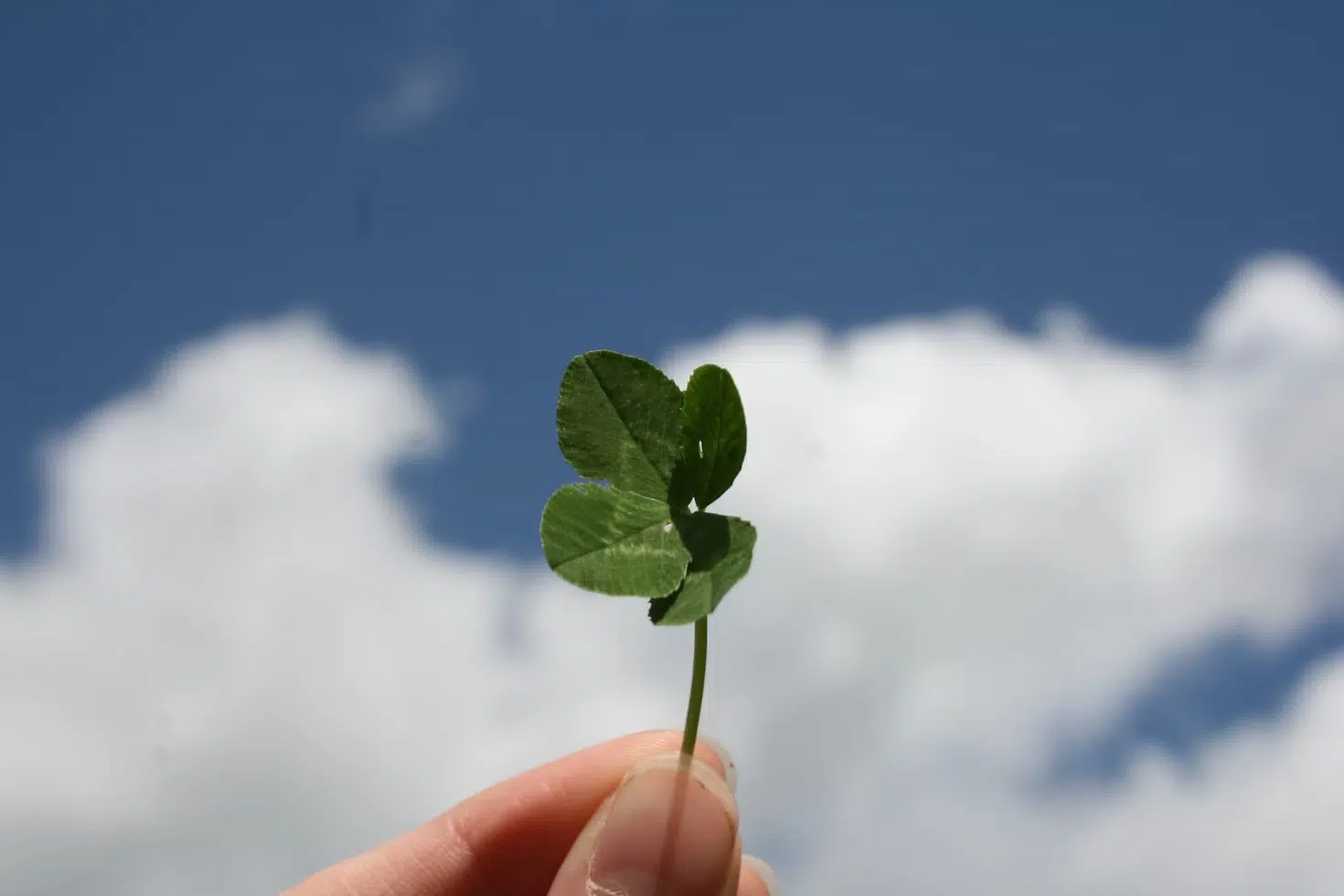
Luck has fascinated people for thousands of years. Long before probability could be calculated or outcomes analyzed with statistics, people looked to gods, symbols, rituals and omens for reassurance about an uncertain future. That fascination has never really disappeared. Today, it can still be seen in everything from lucky numbers and pre-game rituals to games of chance. Online casinos have brought these experiences into the digital age, with sites such as Oxibet offering casino games where chance, anticipation and unpredictable outcomes remain central to the experience.
When Fortune Had a Divine Face
Ancient cultures often gave luck a personality.
For the Romans, one of its most recognizable forms was Fortuna, the goddess associated with fortune, chance and the unpredictable turns of life. Her symbolism captured an idea that remains familiar today: circumstances can change quickly, and nobody has complete control over what comes next.
The famous Wheel of Fortune expressed this perfectly. A person could find themselves at the top of the wheel one moment and at the bottom the next. Other symbols associated with Fortuna included the cornucopia, representing abundance, and the rudder, suggesting the ability of fortune to influence the direction of human life.
The Greeks had a comparable figure in Tyche. She was associated with the fortune of individuals and communities and became an important symbol of the unpredictable forces that could affect human affairs.
Neither goddess represented a simple promise that good things would happen. Their stories were also reminders that fortune could change.
Luck Was About More Than Wealth
Modern discussions of luck often focus on money, prizes or sudden success. Ancient ideas of good fortune were much broader.
For an agricultural community, luck might mean a successful harvest. For sailors, it could mean favourable weather and a safe return home. For a family, prosperity might simply mean health, food and protection.
Different cultures therefore developed their own figures and symbols connected with abundance.
Lakshmi, for example, became associated in Hindu tradition with prosperity and good fortune. In ancient Egyptian culture, figures such as Renenutet were connected with nourishment and the harvest. These traditions show how strongly ideas of fortune were tied to the everyday concerns of the societies that created them.
The definition of a fortunate life may have changed, but the desire for favourable outcomes has not.
Why Lucky Symbols Survive
Even people who do not consider themselves superstitious often have small rituals.
Someone might wear the same shirt when watching an important match. Another person may carry a lucky coin before an interview. People cross their fingers, knock on wood and notice repeating numbers.
There is no evidence that these actions can change a genuinely random outcome. Their appeal lies elsewhere.
Rituals can create a sense of familiarity when the result of an event is uncertain. A lucky object may remind someone of a previous success, while a familiar routine can make an unfamiliar situation feel more manageable.
This helps explain why symbols of luck survive even in highly technological societies. We may understand probability better than previous generations, but uncertainty still produces many of the same emotions.
Games of Chance and the Attraction of Uncertainty
Games provide one of the clearest examples of our relationship with fortune.
Dice have existed in different forms for thousands of years, while cards, lotteries and other games of chance have appeared across numerous societies. Modern digital entertainment has simply introduced another environment in which randomness can create suspense.
Part of the attraction is the space between action and result.
A die is thrown, a card is revealed or a digital reel stops. For a brief moment, the outcome is unknown. That small period of uncertainty creates anticipation precisely because the player cannot completely control what happens.
Modern technology may determine outcomes through systems very different from anything ancient players could have imagined, but the emotional experience of waiting for the result remains recognizable.
The Difference Between Luck and Probability
Mythology can give chance meaning, but probability explains it very differently.
In a random game, previous outcomes do not necessarily influence what happens next. A series of losses does not mean a win must be approaching, just as a lucky charm cannot mathematically improve the odds.
Understanding this distinction is important because humans naturally search for patterns, even when events are random.
This is where the old image of Fortuna remains surprisingly useful. Her wheel was never permanently favourable to one person. Fortune changed direction without warning.
In a modern context, that symbolism can serve as a reminder to treat games involving chance as entertainment rather than as a predictable way to make money. Organizations such as GambleAware provide information and resources designed to help people better understand gambling and maintain healthier habits.
Can We Create Our Own Luck?
Perhaps the most interesting question is whether luck is something that simply happens to us.
A random outcome cannot be controlled through positive thinking. But outside purely random situations, what we call “luck” often involves opportunity meeting preparation.
Meeting the right person may feel lucky, but going somewhere new created the opportunity for that meeting. Finding an unexpected career opportunity may seem fortunate, but having the necessary skills makes it possible to take advantage of it.
This creates a useful distinction between chance and action.
We cannot decide where Fortuna’s wheel will stop, metaphorically speaking. We can decide what we do when circumstances change.
An Ancient Idea That Never Disappeared
The language surrounding luck has survived because uncertainty has survived.
We still wish people good luck. We still describe unexpected opportunities as fortunate. We still have lucky objects, numbers and routines. And games continue to provide controlled environments where people can experience the anticipation that comes from an uncertain outcome.
The symbols have changed, but the underlying fascination is remarkably consistent.
Fortuna’s wheel, Tyche’s influence and countless lucky charms from cultures around the world all reflect the same human desire: to understand what happens when life moves beyond our control.
Perhaps that is why the goddesses of fortune remain relevant. They do not need to tell us that luck can be controlled. Their more enduring lesson is almost the opposite — uncertainty has always been part of human life, and learning how to respond to it matters more than trying to predict every turn of the wheel.
