
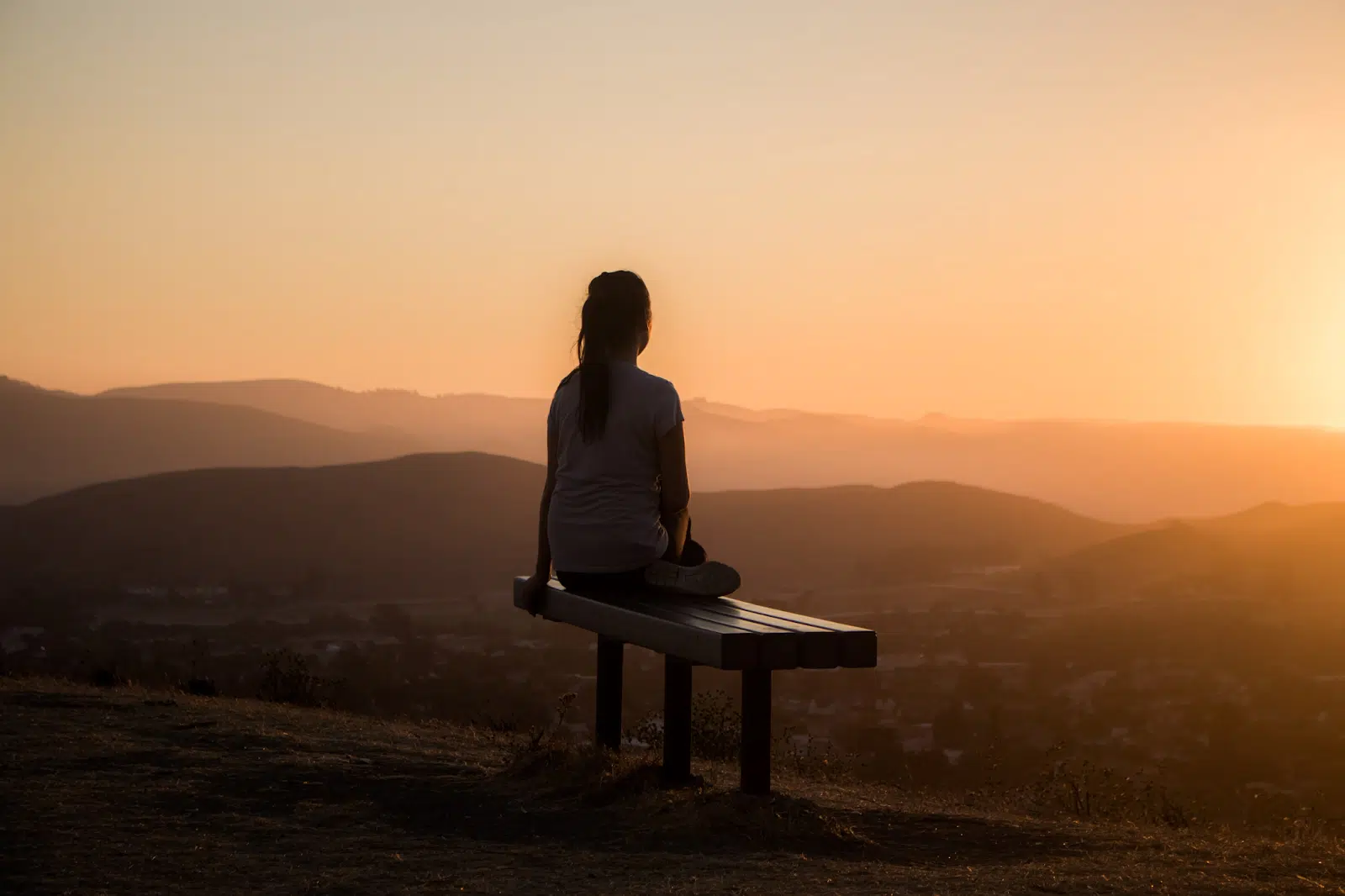
In a world that constantly demands attention, energy, and emotional presence, the idea of having a personal space is no longer a luxury—it has become a necessity. For many women, daily life involves balancing responsibilities, relationships, work, and expectations that rarely pause. Amid all of this, the need to step back, breathe, and reconnect with oneself is often overlooked, even though it plays a crucial role in long-term well-being.
Personal space is not just about being physically alone. It is about having an environment—mental or physical—where external noise fades, and internal clarity begins to form. Research shows that intentional solitude can significantly reduce stress levels and improve emotional balance, allowing individuals to reset after periods of constant stimulation . For women, who often take on multiple roles simultaneously, this reset is especially important.
Being Alone is not loneliness
There is a common misconception that being alone means being disconnected or lonely. In reality, the opposite is often true. When solitude is chosen, it becomes a powerful tool for self-awareness. Studies suggest that time spent alone can enhance creativity, improve decision-making, and deepen the connection with one’s own emotions . Without the constant influence of others, it becomes easier to understand what you truly want, rather than what is expected of you.
Personal space also plays a vital role in preventing burnout. Continuous interaction, whether through work, social obligations, or digital communication, creates mental fatigue. Taking time to disconnect—even briefly—allows the mind to recover. This is why even short periods of intentional solitude, such as a quiet morning routine or an evening walk, can have a lasting impact on emotional stability.
Behavioral as well as psychological
Interestingly, the benefits of personal space are not only psychological but also behavioral. When women allow themselves time to pause and reflect, they often make more thoughtful and confident decisions. This applies to everyday choices, from career paths to personal boundaries. The clarity that comes from stepping back helps reduce impulsive reactions and encourages a more balanced perspective.
In modern life, where everything moves quickly and options are endless, the ability to slow down becomes a form of strength. People constantly evaluate choices, compare opportunities, and search for what feels right. Whether it is selecting a new hobby, exploring creative outlets, or even casually browsing platforms like https://tribuna.com/en/casino/casino-reviews/flagman/ as part of general online exploration, the underlying need is the same—finding a moment to pause, reflect, and decide consciously rather than react automatically.
Another important aspect of personal space is identity. When surrounded by expectations, it is easy to lose a sense of individuality. Personal space acts as a boundary that protects that identity. It allows women to reconnect with their values, interests, and goals without external pressure. Over time, this leads to stronger confidence and a clearer sense of direction.
Balance is essential
However, balance remains essential. While solitude offers many benefits, it is most effective when it is intentional and meaningful. Studies highlight that the positive effects of being alone are strongest when it is a choice, not a forced condition . The goal is not isolation, but restoration.
Creating a personal space does not require dramatic changes. It can be as simple as setting aside time without distractions, creating a quiet corner at home, or developing small rituals that signal a mental reset. What matters is consistency and intention. Over time, these moments accumulate, building resilience and emotional stability.
In the end, personal space is not about escaping life—it is about returning to it with more clarity, energy, and purpose. For every woman navigating the complexities of modern life, having a place to reset and reconnect is one of the most powerful tools available.
Because sometimes, the strongest version of yourself is not found in doing more, but in stepping back long enough to remember who you are.
