

College life often looks hypermodern on the surface. Students move between lecture halls with phones in hand, juggle digital calendars, and live inside a stream of deadlines, notifications, and social updates. Yet beneath that fast pace, many are searching for something older and deeper: a sense of grounding that technology alone cannot provide.
That search explains why more students are exploring practices rooted in ancient traditions, from meditation and breathwork to journaling rituals and mindful silence. Some even look for term paper writing help so they can create more space for rest, reflection, and emotional balance when academic pressure starts to build. For many, spiritual practice is not about rejecting modern life. It is about moving through it with greater awareness.
This shift is not limited to one belief system or one type of campus culture. Students from different backgrounds are borrowing ideas from Buddhist mindfulness, Stoic reflection, yogic breathing, and other long-standing traditions. They are adapting them in practical ways that fit dorm rooms, libraries, and busy schedules.
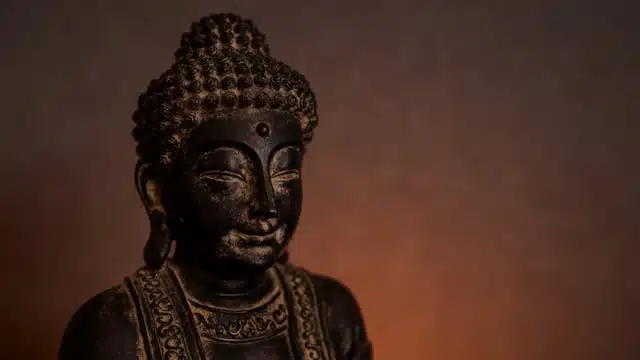
Why Ancient Practices Appeal to Modern Students
Ancient spiritual practices speak directly to problems students face today. Stress, burnout, loneliness, distraction, and uncertainty are common parts of academic life. These traditions often begin with the same human questions students still ask: How do I stay calm under pressure? How do I live with purpose? How do I manage fear and comparison?
They also offer something simple. A student can sit quietly for five minutes, write down a few thoughts, or focus on breathing before an exam. In a world built on constant stimulation, simplicity can feel powerful.
Another reason for their appeal is that they encourage inner discipline rather than external performance. Many students are tired of measuring themselves only through grades, internships, and social approval. Ancient spiritual habits create a private space where growth is not always visible to others, but still deeply meaningful.
Meditation and Breathwork as Everyday Anchors
Meditation has become a popular entry point into spiritual practice for students. While it is often presented as a wellness trend, its roots stretch back through ancient contemplative traditions. On campus, students use it to settle racing thoughts, reduce anxiety, and improve concentration before classes or study sessions.
Breathwork is especially useful because it can be practiced almost anywhere. A student can pause before a presentation, take a few slow breaths, and regain a sense of control within minutes. This small act can change how they respond to pressure.
Students do not need long sessions to benefit. Even short, regular practice can improve focus, patience, and emotional steadiness over time.
The Return of Ritual in Daily Student Life
Ritual is another ancient concept finding new life among students. A ritual does not have to be elaborate or religious. It can be lighting a candle before studying, saying a quiet affirmation in the morning, or taking a reflective walk at sunset.
These small rituals help students create order in environments that often feel chaotic. Dorm life can be noisy, class schedules shift, and emotional energy rises and falls quickly. Ritual gives structure to the day and reminds students that not every moment has to be rushed.
It also helps mark transitions. One ritual may signal the start of focused work, while another may help a student release academic stress at night. Over time, these habits make daily life feel less fragmented and more intentional.
Journaling and Self-Reflection for Inner Clarity
Ancient spiritual traditions have long valued self-examination. Modern students continue that pattern through journaling, reflective writing, and personal check-ins. These practices help them name what they are feeling instead of carrying silent stress from one task to the next.
Journaling is useful because it slows down thought. When worries stay in the mind, they can feel abstract and overwhelming. Once written down, they often become easier to understand and manage.
Here are a few ways students are using reflective practices today:
- writing three lines of gratitude before bed
- tracking emotional triggers during stressful weeks
- setting a daily intention before classes
- reviewing personal values before making big decisions
- noting moments of peace, focus, or progress
This kind of reflection supports academic success in an indirect but meaningful way. Students who understand their emotional habits are often better equipped to manage procrastination, self-doubt, and burnout.
Community, Belonging, and Shared Meaning
Ancient spiritual life was rarely just an individual pursuit. It often happened in the community through shared values, discussion, and collective practice. Modern students are rediscovering that social dimension as they join meditation groups, yoga circles, faith communities, or informal gatherings built around mindfulness and reflection.
This matters because many students struggle with isolation, even in crowded campus settings. Spiritual communities can offer a different kind of connection than ordinary social spaces. Instead of bonding through performance or status, students connect through honesty, presence, and shared growth.
These spaces can also encourage accountability. A student may be more likely to stay consistent with a calming practice when others are doing it too. Community helps turn experimentation into a habit.
How Students Can Make These Practices Sustainable
The students who benefit most are not usually the ones with the most intense routines. They are the ones who build realistic, repeatable habits. Ancient spiritual practices work best when they are integrated gently into daily life rather than treated like another task to perfect.
A sustainable approach starts small. Five minutes of quiet breathing, one page of journaling, or a short evening ritual can be enough to create momentum. The goal is consistency, not performance.
Students also benefit from choosing practices that genuinely fit their values and schedules. Some may prefer silent meditation, while others feel more grounded through prayer, movement, or reflection in nature. What matters is that the practice creates steadiness, self-awareness, and a stronger connection to life beyond deadlines.
In the end, the return to ancient spiritual practices shows that students are not simply looking for productivity hacks. They are looking for wisdom that helps them stay human in a demanding world. By embracing old practices in modern settings, they are finding new ways to build calm, meaning, and resilience that can last far beyond graduation.
Featured photo courtesy of Mikael Blomkvist – pexels.com
