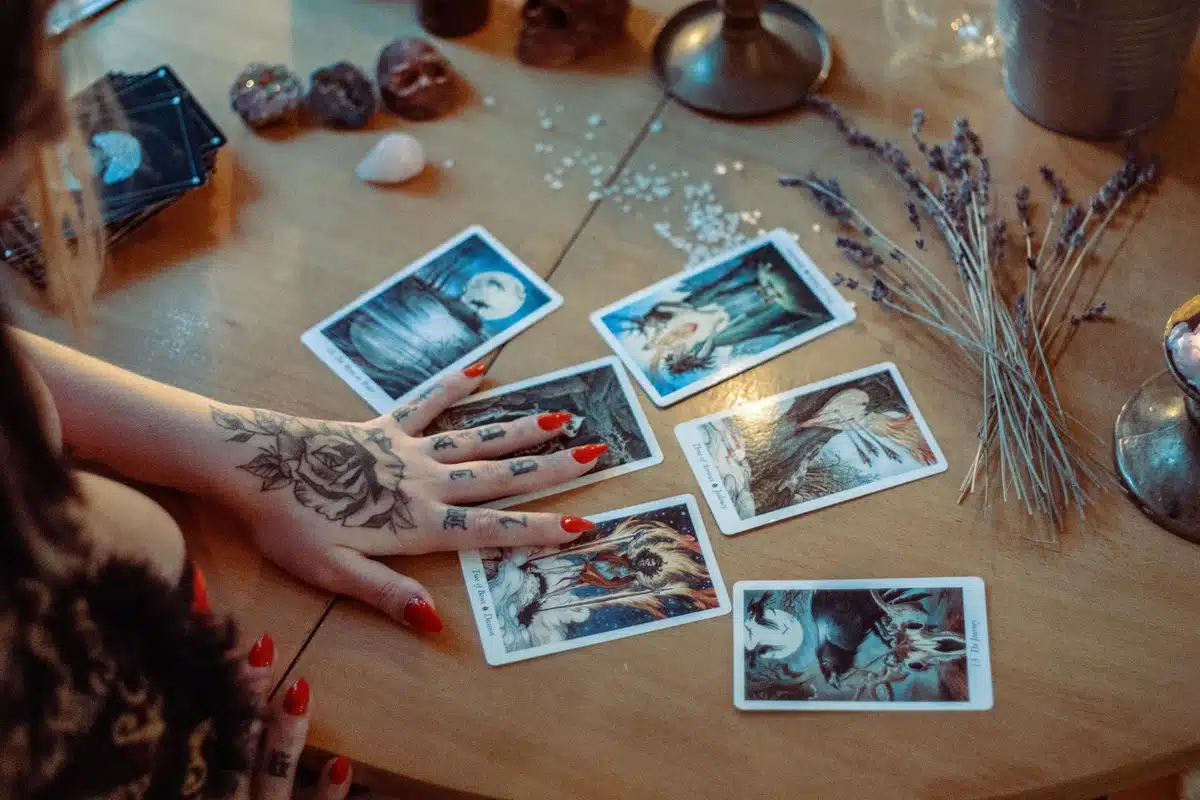
Tarot cards aren’t just about predicting the future. They’re powerful tools for self-reflection, insight, and tapping into your intuition—especially when life throws tough choices your way.
Instead of relying on fixed answers, tarot encourages us to pause and consider what our instincts are really telling us. Every card invites you to notice hidden patterns, ask better questions, and see familiar problems from a fresh angle.
This article looks at how reading tarot can sharpen your intuitive decision-making. We’ll explore the blend of symbolism, psychology, and personal growth that helps people navigate uncertainty with greater clarity and confidence.
Where intuition meets strategy: tarot and smart betting
When you’re faced with an uncertain outcome, it’s easy to fall into the trap of overthinking every possible scenario or, on the flip side, relying entirely on gut instinct. In my experience, the most effective decisions often come from a mix of both logic and intuition—especially in situations where the stakes feel high.
Tarot cards are sometimes misunderstood as mere fortune-telling tools. In reality, they act more like prompts for reflection. A well-timed reading can clarify your options or help you see an old problem from a fresh angle. This approach isn’t so different from what happens in smart betting, where success depends on evaluating data while trusting your read of the situation.
I’ve noticed that people who use tarot for guidance tend to ask better questions—not just “What should I do?” but “What am I missing?” or “Which risks feel aligned with my values?” That’s a habit worth borrowing if you’re making high-stakes choices, whether at work or when considering a bet.
Platforms like Smart Betting Guide bridge these worlds by offering tools and insights for blending research with instinct. Whether you’re using statistics or symbolism, combining structured analysis with intuitive sense can move you beyond hesitation and into action with greater clarity.
The language of tarot: symbols, archetypes, and self-reflection
Tarot cards speak in images, not words. Their symbols and archetypes tap into the subconscious, giving us a unique way to see what’s under the surface of our thoughts.
Looking at a tarot card is like holding up a mirror to your own mind. The pictures invite you to notice patterns, hidden fears, or overlooked possibilities that might be shaping your decisions.
By engaging with these symbols, you start to build a stronger relationship with your intuition. This process can reveal insights that help you make choices with more self-awareness and confidence.
Major and minor arcana: mapping life’s choices
The tarot deck has two main parts—the major arcana and the minor arcana. Each serves as a roadmap for different types of decisions we face every day.
The major arcana covers life-changing moments—think new beginnings, turning points, or sudden realizations. Cards like The Fool or The Tower often reflect those big crossroads where everything feels at stake.
The minor arcana dives into daily experiences—our relationships, work stresses, or emotional ups and downs. These cards remind me of those smaller choices that quietly shape our path over time.
Together, both arcs encourage us to pause and consider not just what’s happening now but how small steps lead to bigger shifts in our lives.
Interpreting symbols for personal insight
Every tarot card tells its own story through color, posture, number, and imagery. These elements aren’t random—they’re designed to spark reflection on what’s happening inside us.
For example, seeing the High Priestess often nudges people to trust their gut feeling instead of seeking external advice. Meanwhile, a card like the Eight of Cups can prompt questions about what needs letting go before moving forward.
Tarot for Self-Reflection, a 2023 LinkedIn article, shows how therapists use these images to help clients explore their inner world. Archetypal symbols give shape to emotions that might otherwise stay unspoken—making it easier to spot underlying motivations or worries influencing decisions.
This approach helps individuals access deeper wisdom and make more authentic choices—whether they’re facing a small fork in the road or considering major change.
Intuitive practices that strengthen decision-making skills
Building intuition isn’t about waiting for a gut feeling to strike. It’s an ongoing process that grows stronger with practice and intention.
Tarot cards can spark this growth, but they’re far from the only path. Tools like journaling, meditation, and mindful observation all work together to tune us in to our instincts.
By mixing these practices, you start making choices that feel less random and more aligned with your values. Over time, you’ll notice that your inner compass gets easier to trust—whether you’re facing business dilemmas or personal crossroads.
Journaling, meditation, and mindfulness
One thing I’ve learned from both tarot readers and therapists is the value of slowing down enough to hear your own thoughts. Journaling helps unpack emotions, highlight patterns, and bring clarity to what’s truly important.
Meditation goes a step further. Even five minutes a day can help quiet background noise so genuine insights can surface. This isn’t just about relaxation; it’s about sharpening focus on what matters most when making decisions.
Mindfulness works hand in hand with these tools by keeping you present during daily routines. Noticing subtle reactions—like a sense of tension or excitement—often signals whether a choice is right for you.
Together, these practices give space for intuition to become a trusted partner instead of a mysterious force you’re unsure how to use.
Tarot spreads for clarity and confidence
You don’t need years of tarot experience to benefit from simple card layouts designed for self-reflection. One- or three-card spreads are especially good for clarifying options when you feel stuck or uncertain.
A single card drawn each morning can set the tone for the day or highlight where attention is needed. Three-card spreads break down situations into past influences, present dynamics, and likely outcomes—a practical way to organize thoughts before making big calls.
Tarot Spread Effectiveness A 2024 user insight from Lemon8 demonstrates how a simple tarot spread was used to work through emotional blockages and clarify personal decision paths, illustrating the effectiveness of intuitive exercises in fostering self-discovery and confidence.
I’ve seen firsthand how even skeptical professionals use these techniques as creative prompts—not magical answers—to weigh risks, discover blind spots, or approach tough choices with more calm assurance.
Tarot in the modern world: beyond mysticism
Tarot has stepped out of its mystical shadows and is taking on fresh relevance across creative, coaching, and business spaces.
Rather than being limited to fortune-telling, today’s tarot is more about insight than prediction.
Coaches, therapists, and innovators are tapping into tarot’s rich symbolism to encourage personal growth, inspire breakthroughs, and support clear decision-making in uncertain moments.
From fortune-telling to life coaching
In recent years, I’ve seen more professionals using tarot as a conversation starter or brainstorming tool rather than a future forecast.
For coaches and therapists, a simple card draw can open up new perspectives for clients who feel stuck. It helps people explore motivations or hidden biases that might block progress.
Many creatives turn to tarot for idea generation. The visual prompts can break creative ruts and spark fresh approaches to projects or stories.
The most effective practitioners focus less on “what will happen” and more on “what feels right”—using tarot as a framework for reflection rather than prediction.
Digital tarot: apps, communities, and accessibility
The digital world is quickly transforming how people interact with tarot cards.
Younger audiences in particular are embracing mobile apps for instant readings or joining online groups where people share interpretations and advice.
A June 2024 trend report highlights how these platforms make intuitive tools available around the clock—no special deck or expert needed.
I’ve noticed that digital tarot lowers the barrier for entry. Anyone curious about self-reflection can try a one-card reading from their phone while waiting in line at a coffee shop in London or New York.
This shift means intuitive guidance is now more accessible—and less intimidating—than ever before.
Embracing intuitive decision-making for growth and clarity
Tarot cards offer more than mystical symbolism—they encourage us to pause, reflect, and listen to our instincts before making choices.
When we treat intuition as a skill, it becomes easier to blend gut feelings with logical reasoning, leading to better outcomes in both everyday situations and high-stakes decisions.
Whether you’re weighing the odds on a business move or seeking personal direction, intuitive practices like tarot can deepen self-trust and open up new possibilities for growth.
In my experience, those who give themselves space for reflection make decisions with greater confidence and less regret.
The real value lies in learning to trust your inner voice alongside the facts—a combination that leads to genuine clarity.
Featured image courtesy of pexels.com