

A small spiritual altar creates a dedicated place for reflection, gratitude, prayer, remembrance, or setting intentions. It does not require an entire room or an elaborate collection. A shelf, bedside table, windowsill, or quiet corner is enough when every object has a clear personal reason for being there.
What a Small Spiritual Altar Represents
An altar gives physical form to ideas that otherwise remain private: relationships, family memories, hopes, spiritual beliefs, or commitments. Someone focused on a serious relationship might write down intentions about trust, companionship, and building a shared future with Russian ladies for marriage as part of a personal reflection on the kind of partnership they want to create.
Meaning matters more than quantity. A photograph of a grandparent, a stone collected during an important journey, or a handwritten sentence might carry greater significance than several decorative pieces selected simply because they look spiritual.
How to Choose Meaningful Objects
Start with objects connected to a memory, person, place, belief, or intention. A compact altar benefits from careful selection because every item remains visible and contributes to the purpose of the space.
Candles and Incense
A candle creates a simple beginning and ending for a personal ritual. Lighting it before reflection establishes a deliberate moment, while extinguishing it marks the return to everyday activities.
Three practical considerations help keep this part of the arrangement manageable:
- Choose one candle rather than filling a small surface with several.
- Keep incense in a stable holder that collects ash.
- Leave clear space around anything involving heat or flame.
Photos and Inherited Objects
Family photographs connect the altar with specific people rather than abstract ideas. An inherited ring, small ornament, letter, or other keepsake adds another layer by carrying a direct link to family history.
Choose items that create a meaningful association when you see them. Valuable or fragile heirlooms belong in a secure position away from edges, candles, water, and direct sunlight.
Stones, Flowers, and Seasonal Items
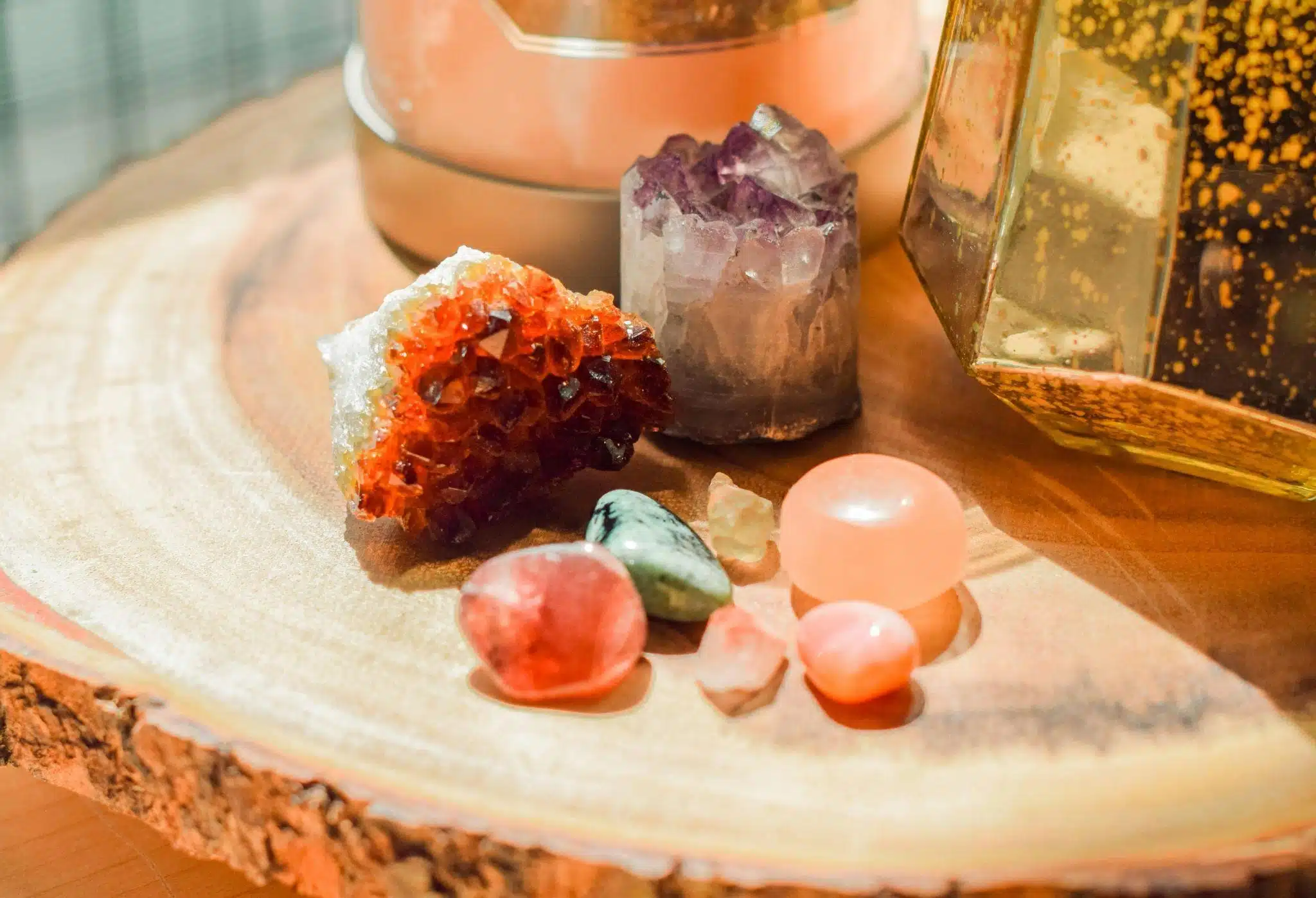
Stones collected on travels, shells from a memorable beach, or dried flowers from an important occasion bring particular places and experiences into the arrangement. Fresh flowers introduce a changing element that requires regular attention.
Seasonal objects keep the space connected with the passing year. Leaves, blossoms, small branches, or natural materials reflect changes outside without requiring a complete redesign.
| Seasonal item | Connection | When to replace it |
| Fresh flowers | Growth and appreciation | When they begin to fade |
| Autumn leaves | Change and transition | At the end of the season |
| Travel stone | Memory of a place | Keep while meaningful |
| Small branch | Natural surroundings | When damaged or brittle |
Written Intentions and Prayer Cards
Words make the purpose of an altar explicit. A written intention might focus on patience, family, relationships, work, gratitude, or a personal value that deserves regular attention.
Prayer cards fit naturally into religious practice, while handwritten notes work for secular reflection. Keep the wording specific enough to mean something when revisited several weeks later.
These types of written material fit a small space:
- A short personal intention
- A prayer or spiritual passage
- The name of someone remembered
- A goal connected with personal growth.
Placement, Care, and Personal Rituals
The physical location influences how the altar becomes part of daily life. A visible position encourages regular reflection, while a private corner creates separation from household activity.
Find the Right Location
Choose a stable surface where objects remain undisturbed. A bedroom shelf offers privacy, while a living-room corner suits someone comfortable keeping spiritual practice visible to others.
Consider practical conditions as well. Direct sunlight damages photographs and paper, while busy surfaces increase the risk of fragile items being moved or knocked over.
Keep the Space Clean
Cleaning forms part of maintaining the space rather than serving as occasional housekeeping. Remove candle wax, incense ash, dust, wilted flowers, and items that have lost their relevance.
The arrangement does not need to remain unchanged. Replacing seasonal pieces or removing an object whose meaning has shifted keeps the altar connected to present priorities.
Establish a Personal Ritual
A ritual gives the space a purpose beyond decoration. Daily reflection might involve lighting a candle, reading an intention, sitting quietly for several minutes, or acknowledging a photograph connected with someone important.
Consistency matters more than complexity. A brief morning or evening practice creates a recognizable pause without turning reflection into another demanding task.
Let the Space Change With You
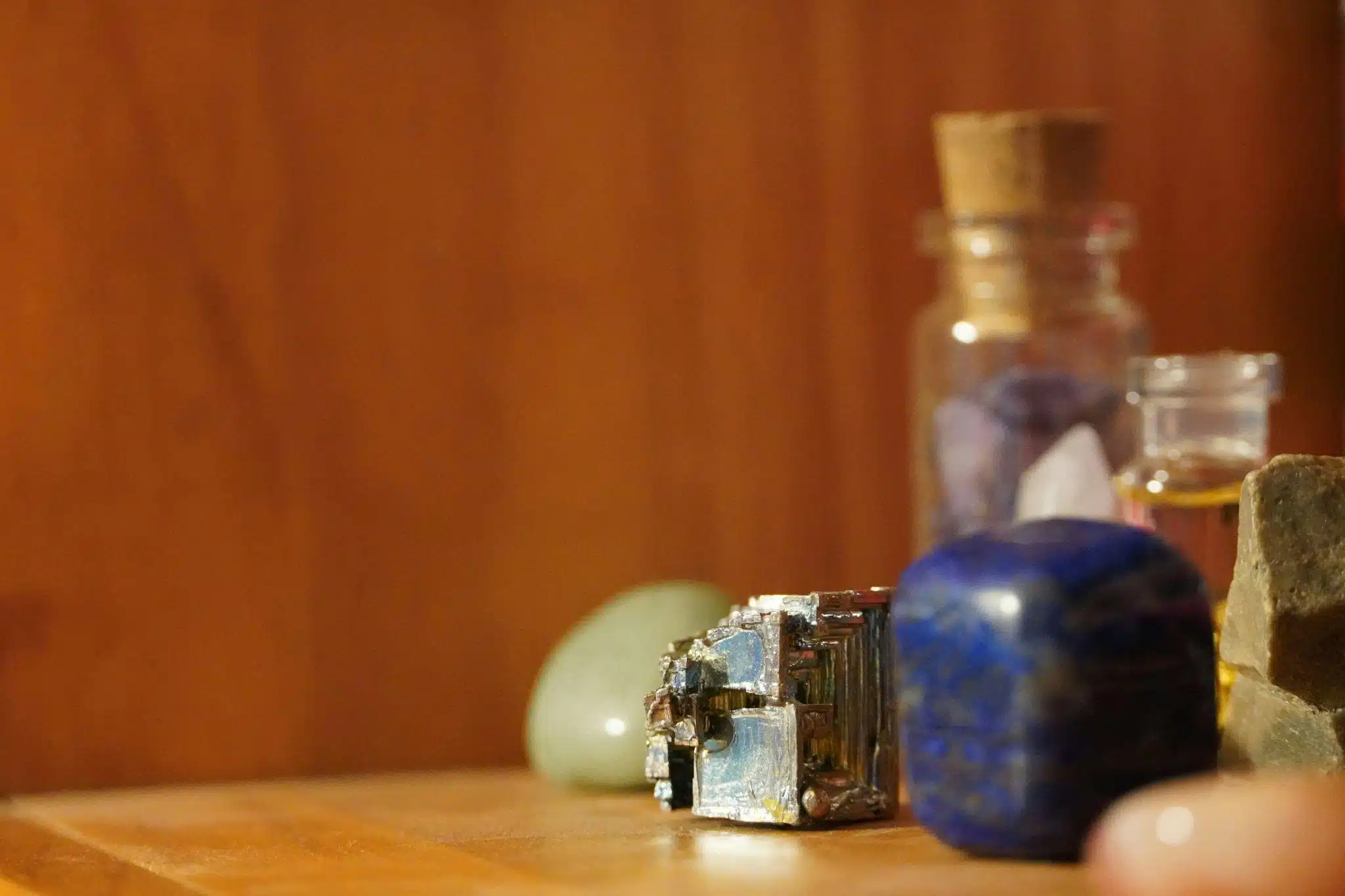
A meaningful altar is personal rather than permanent. Relationships develop, priorities change, journeys add new memories, and inherited objects acquire different significance over time. The arrangement has room to reflect those changes.
Start with a few objects that already matter: perhaps one photograph, a candle, a written intention, and a travel keepsake. Add something only when it contributes a clear connection to the purpose of the space.
Over time, the altar becomes a small record of what deserves attention. Its value comes from the memories, intentions, relationships, and moments of reflection attached to the objects rather than from the number of things displayed.
Featured image from Unsplash.com
